
The Beginnings of Horse Racing
The history of the racehorse starts with, of course, racing.
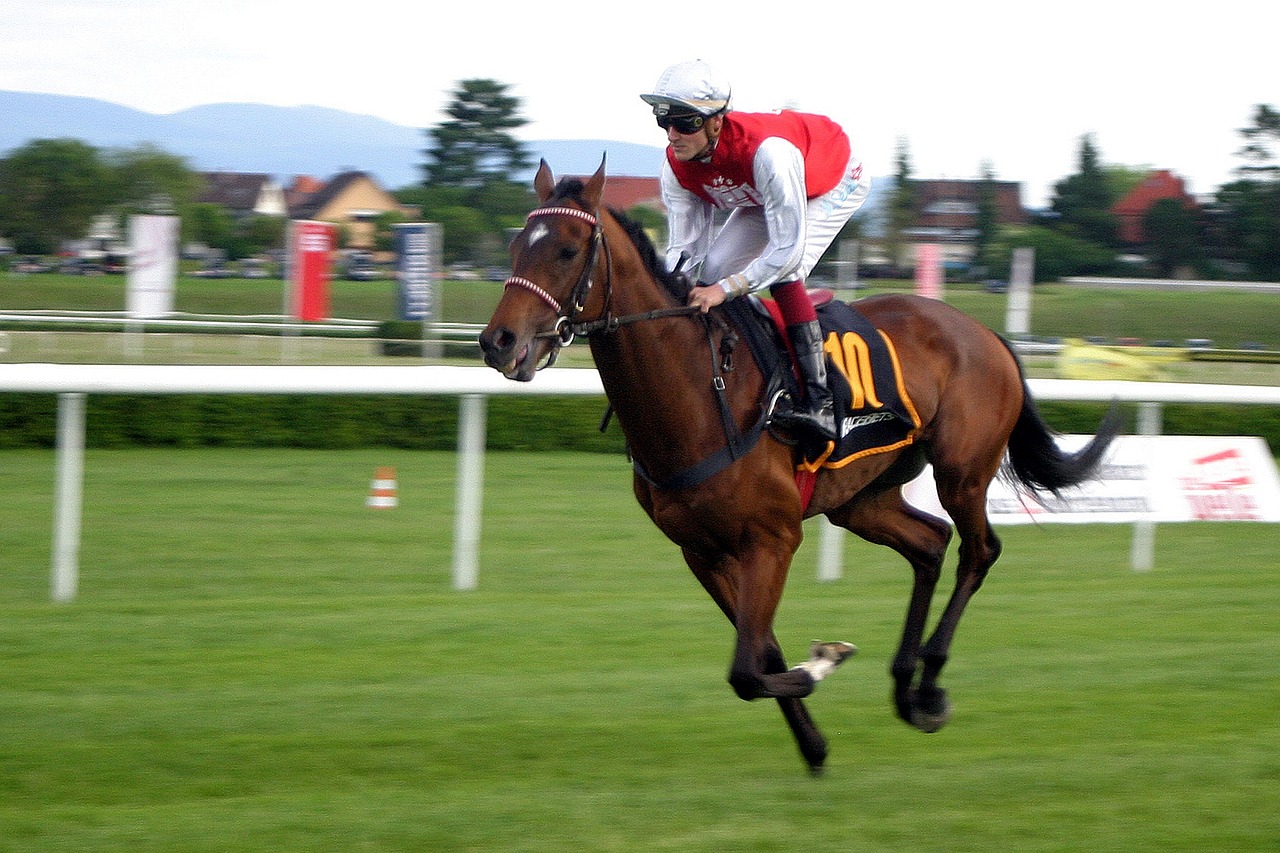
Horse racing is the second largest spectator sport in the British Isles and one of the longest established, with a history dating back many centuries. The sport has taken place in the country since Roman times and many of the sport’s traditions and rules originated there. The first recorded race meetings were during the reign of King Henry II at Smithfield, London, during the annual St Bartholomew’s horse fair, first mentioned sometime around the year 1174.
The Jockey Club, established in 1750, codified the Rules of Racing and one of its members, Admiral Rous laid the foundations of the handicapping system for horse racing, including the weight-for-age scale. While rules have changed over the years, the basic framework is still in place today.
What is a Thoroughbred?
The Thoroughbred is a distinct horse breed. In modern usage horse breeders consider it incorrect to refer to any animal as a thoroughbred except for horses belonging to the distinct Thoroughbred breed. The term probably came into general use because the English Thoroughbred’s General Stud Book was one of the first breed registries created.
The Thoroughbred was developed in 17th- and 18th-century England, when native mares were crossbred with imported stallions of Arabian, Barb, and Turkoman breeding. All modern Thoroughbreds can trace their pedigrees to three stallions imported into England in the 17th and 18th centuries, and to a larger number of foundation mares of mostly English breeding.
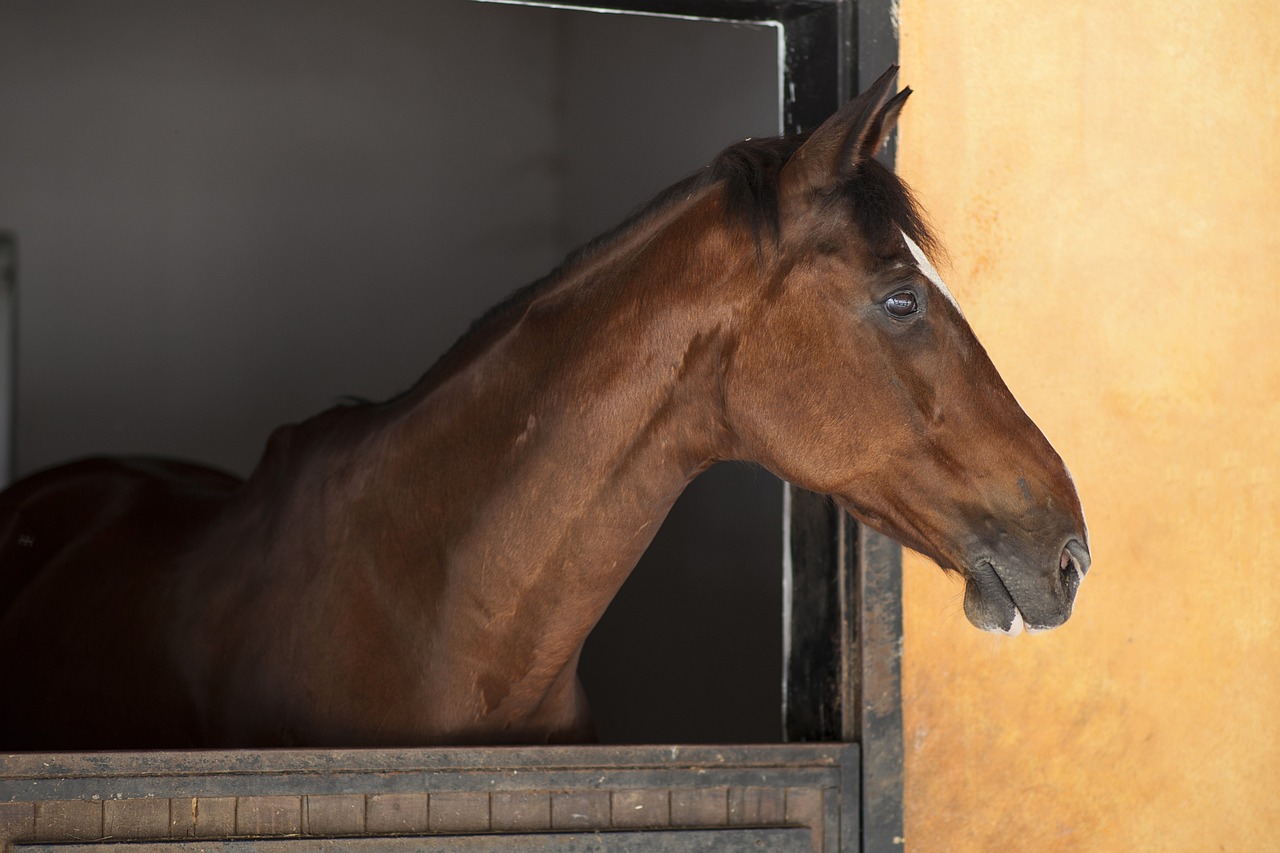
The typical Thoroughbred ranges from 15.2 to 17.0 hands (62 to 68 inches, 157 to 173 cm) high, averaging 16 hands (64 inches, 163 cm). They are most often bay, dark bay or brown, chestnut, black, or grey. The face and lower legs may be marked with white, but white will generally not appear on the body. Coat patterns that have more than one colour on the body are not recognised by mainstream breed registries. They should have a well-chiselled head on a long neck, high withers, a deep chest, a short back, good depth of hindquarters, a lean body and long legs. All these characteristics infer elegance, grace and athleticism.
Age
All racehorses born in the Northern Hemisphere share January 1st as their official birthday, while in the Southern Hemisphere they share August 1st. These artificial dates have been set to standardise races and other competitions for horses in certain age groups. However, when racing as two-year-olds, a horse born in the early months of the year is likely to be more mature than one born later, despite officially being the same age.
The Three Founding Bloodlines
Imported deliberately to improve British racing stock, Thoroughbreds can trace their parentage to just three stallions –
The Byerley Turk
A foreign warhorse imported to England between 1689 and 1729. His male line was preserved by his great-great-grandson, Herod.
The Darley Arabian
A foreign warhorse imported to England between 1689 and 1729. His male line was preserved by his great-great-grandson, Eclipse. One genetic study suggests that 95% of male Thoroughbreds trace their male line to the Darley Arabian.
The Godolphin Arabian
A foreign warhorse imported to England between 1689 and 1729. His male line was preserved by his grandson, Matchem. In modern Thoroughbred pedigrees, most horses have more crosses to the Godolphin Arabian (13.8%) than to the Darley Arabian (6.5%) when all lines of descent (maternal and paternal) are considered.
When these stallions bred with Britain’s native, heavier mares, they produced offspring who were much faster, but still had great stamina – the very first ‘thoroughbred’ racehorses.
While it’s true that modern Thoroughbreds descend by the male line from one of these stallions, upwards of 200 horses were imported into England at the time and are so noted in the General Stud Book. They no longer have surviving direct descendants, but nevertheless produced many influential contributions to the breed.
The Value of Heritage
As you may know already, a good Thoroughbred racehorse is very expensive. Prices of Thoroughbreds vary greatly, depending on age, pedigree, conformation, and other factors. In US statistics, the Jockey Club indicated that the average weanling sold for $44,407, the average yearling sold for $55,300, average sale price for two-year-olds was $61,843, broodmares averaged $70,150, and horses over two and broodmare prospects sold for an average of $53,243.
Averages can be misleading however, as the most successful racehorses can sell for much, much more. Fusaichi Pegasus is the most expensive Thoroughbred ever sold, selling for $70 million in 2000.
Nature vs Nurture
With all Thoroughbreds descended in some way from just three stallions, you would imagine that the margins in horse racing are very tight. Horses are selected on build, heritage and temperament and trained to turn them into the ultimate athletes. However, this is not the whole story. One of the quirks of racing is that a small, humble racing stable can often hold their own against the best-funded owners in the world. While bloodline and inheritance clearly play a huge part in the horse’s pedigree, that is only the beginning – proper training, nutrition and conditions play a huge part in a promising horse becoming a winner.
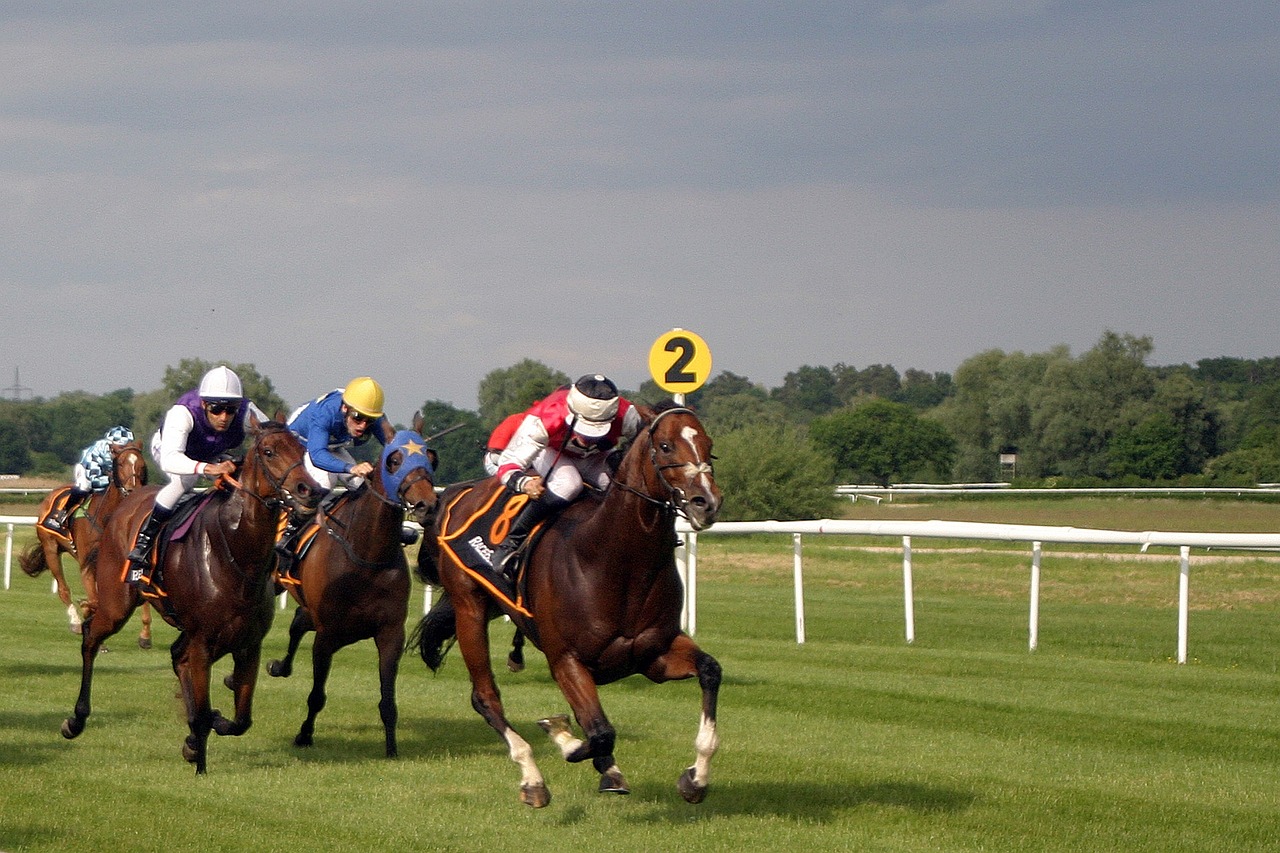
These beautiful horses, apart from being world-class athletes, are living and breathing heritage, tracing their ancestry back through centuries of racing. After all, where would racing be without the Thoroughbred? It’s astonishing to think that just three horses provide the basis for such a hugely successful breed. The noble bloodlines are being carefully protected to this day, ensuring that horse racing continues to be a thrilling and elegant spectacle.